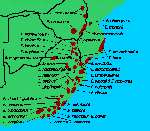
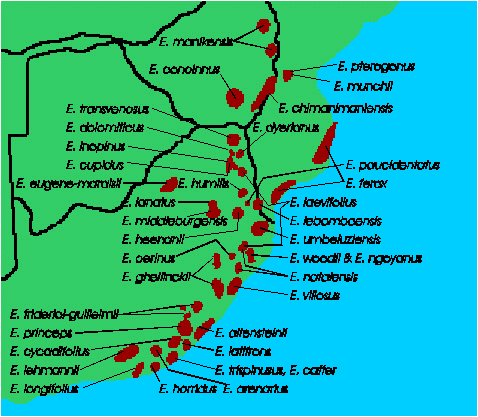
Distribution of Encephalartos in southeast Africa (Jones 1993); see species descriptions for distributions north of 15° S latitude.
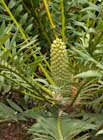
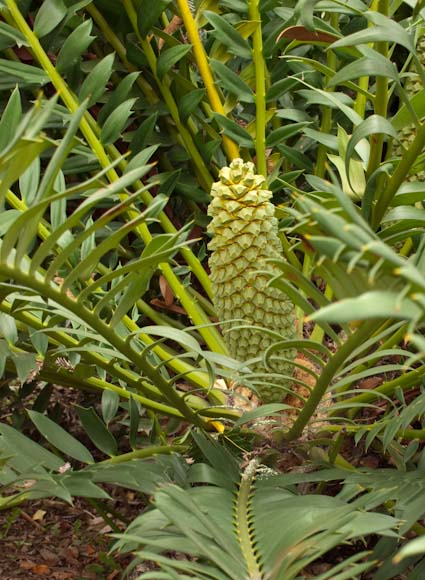
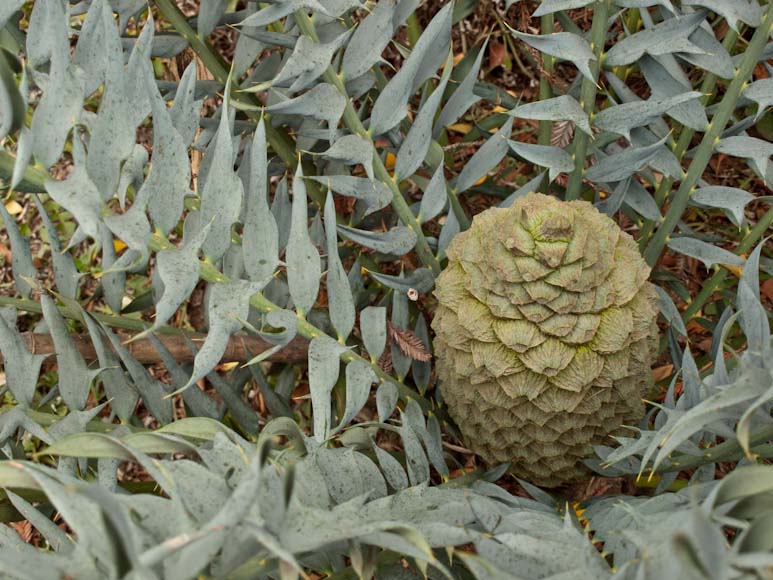
E. arenarius, foliage and immature female cone; plant at Los Angeles County Arboretum in California [C.J. Earle, 2009.12.06].
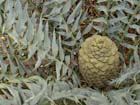
E. horridus foliage and nearly-mature female cone, also at Los Angeles County Arboretum [C.J. Earle, 2009.12.06].

Encephalartos
Lehm. (1834)
Common names
No data as of 2026-01-14.
Taxonomic notes
Encephalartos includes 65 species. I have some information on the species linked below, but for all species, see the excellent descriptions provided by The World List of Cycads.
Description
No data as of 2026-01-14.
Distribution and Ecology
No data as of 2026-01-14.
Remarkable Specimens
E. laurentianus grows to a height (or length, as it is often decumbent) of 15 m and a diameter of 1 m, making it the most massive of all cycads. Moreover, it often grows in clumps.
Ethnobotany
No data as of 2026-01-14.
Observations
No data as of 2026-01-14.
Remarks
Encephalartos combines the Greek roots for "head" and "bread", referring to the flour obtained from the stems of some species by native peoples.
Citations
Lehmann, J. G. 1834. Allgemeine Gartenzeitung 2(11), p. 82p. Available: Biodiversity Heritage Library, accessed 2026.01.14.
See also
Africa Cycads provides good photos, distribution maps and descriptions for all African cycads, including Encephalartos.
 Back to top